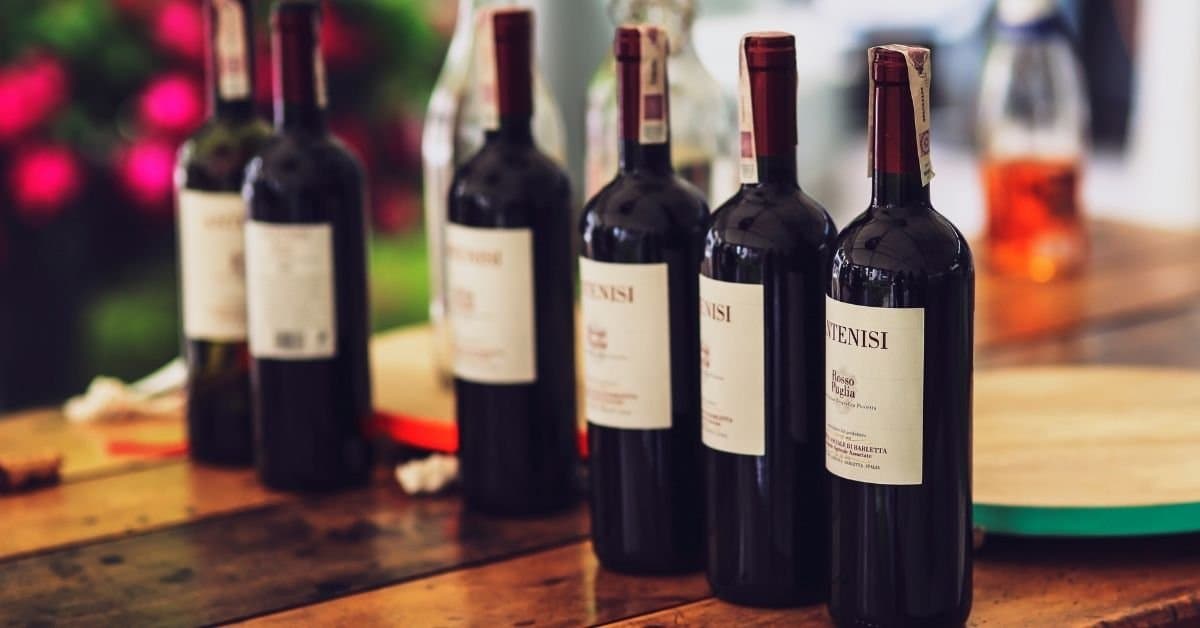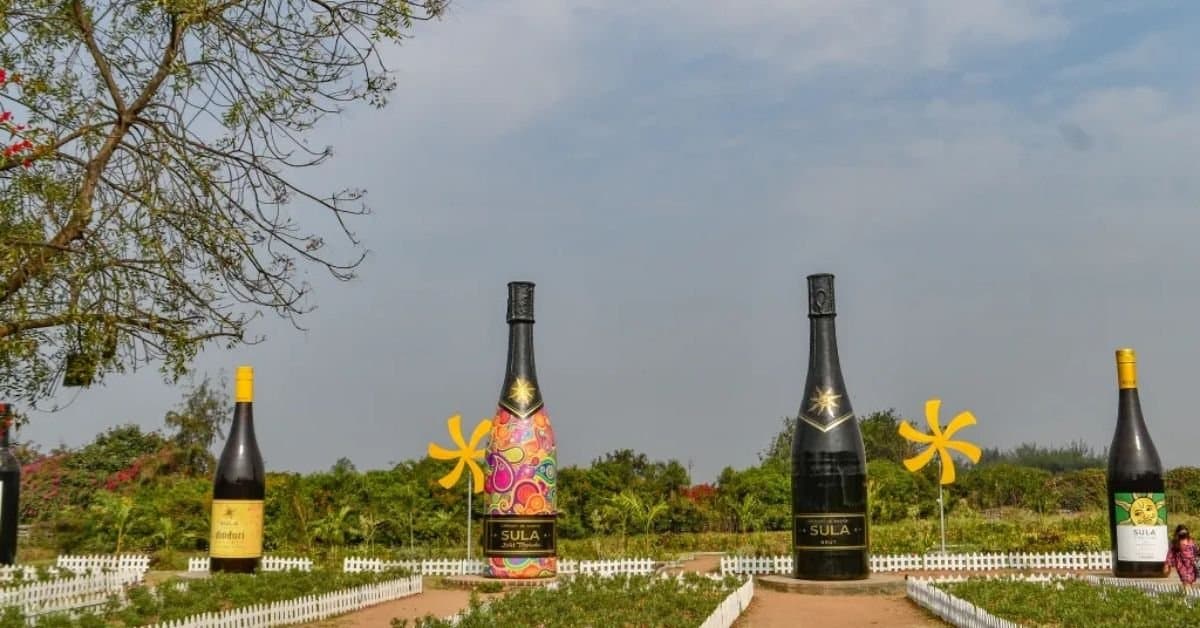

When people think about Indian wine, one name that often comes to mind is Sula wine. Closely associated with Nashik in Maharashtra, Sula has played a significant role in bringing Indian wine into the spotlight and introducing more people to the country’s growing wine culture.
Nashik, known for its agricultural landscape, fertile surroundings, and proximity to Mumbai, has developed a reputation as one of India’s major wine-producing regions. Its vineyards, wineries, and wine tourism experiences have helped establish a connection between the city and Indian winemaking.
But how did this association begin? What makes Nashik suitable for growing wine grapes, and how did Sula Wines become such a recognisable name?
The story involves changing agricultural practices, entrepreneurial vision, grape cultivation, and the development of a wine culture that was once relatively unfamiliar to many Indian consumers.
Let’s look at how Sula wine and Nashik became closely connected and what this relationship means for India’s wine industry.
Before Nashik became widely associated with wine, the region was already known for its agricultural activity. Located in Maharashtra, Nashik has a long-standing connection with farming, horticulture and grape cultivation.
The area’s agricultural economy provided a foundation for the development of commercial winemaking. Grapes were already an important crop, and the presence of local grape growers meant that the region had experience cultivating the fruit used to produce wine.
However, growing table grapes and growing wine grapes are not exactly the same. Wine production requires grape varieties and growing conditions suited to fermentation, flavour development and the desired style of wine.
The transition from grape cultivation to modern winemaking involved new agricultural approaches, investment, production facilities and a market willing to try Indian-made wine.
Over time, Nashik’s grape-growing background helped make it a natural location for businesses interested in developing a domestic wine industry.
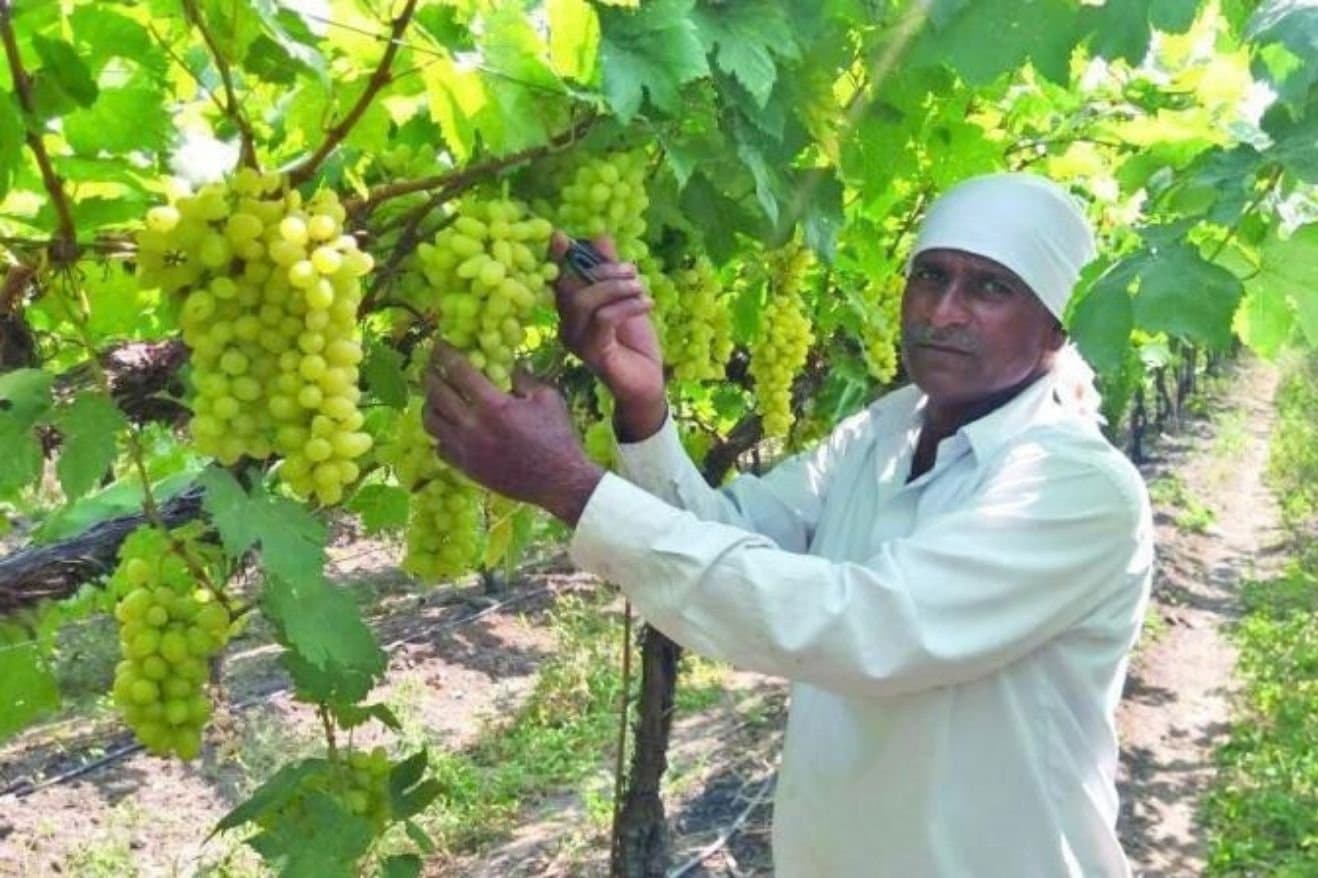
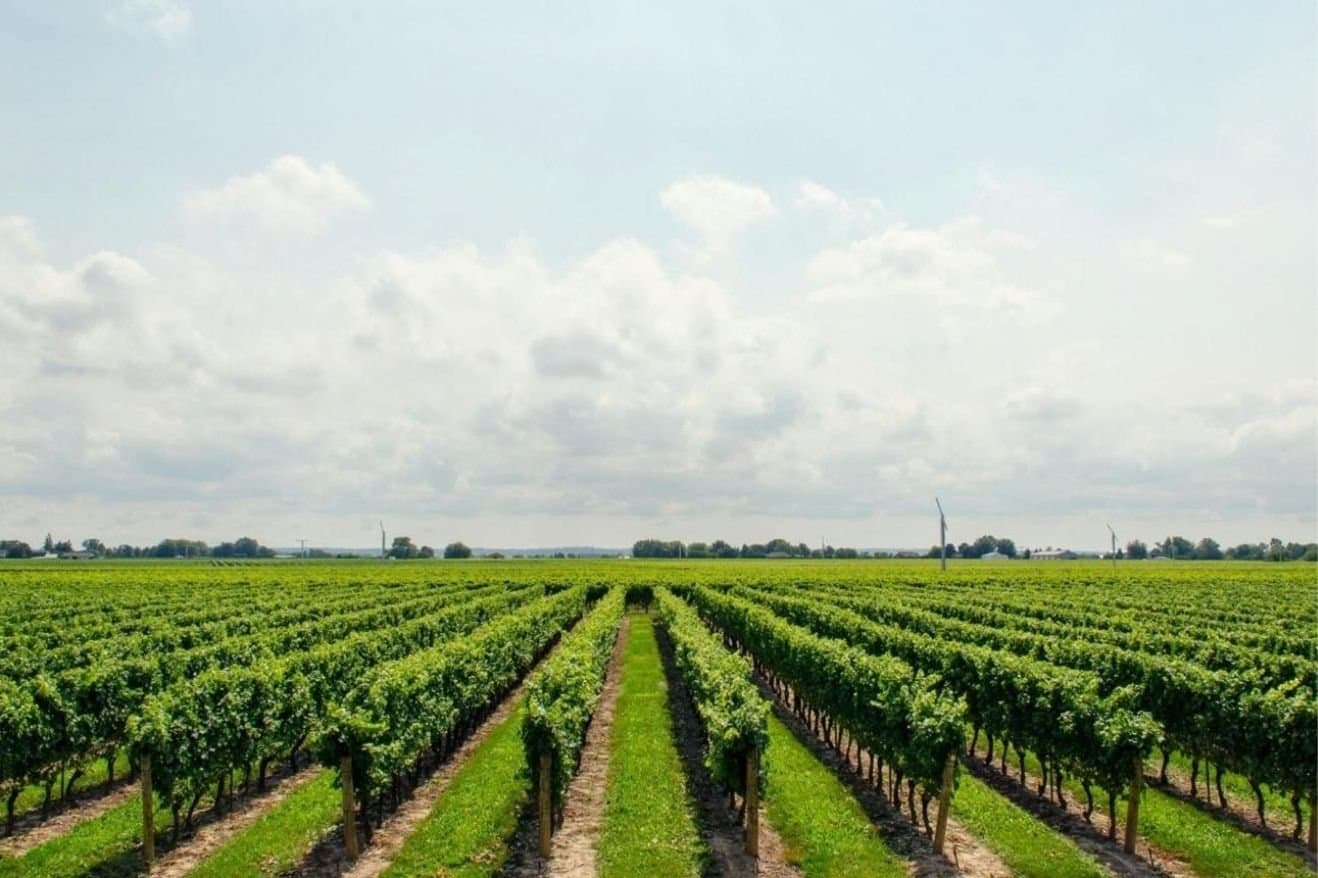
Nashik’s association with wine is not simply the result of branding. Its growing conditions have contributed to the region’s development as a wine-producing destination.
Several factors have supported viticulture in the area.
Nashik experiences distinct seasonal changes, including a monsoon period and cooler conditions during parts of the year. These seasonal patterns influence vineyard management, grape development and harvesting decisions.
Wine grape growers need to manage rainfall, temperature, sunlight and the timing of harvest to produce fruit suited to particular wine styles.
The region’s established grape-growing sector has provided a base of agricultural knowledge and infrastructure. Experience with cultivating grapes has helped support the development of wine grape production.
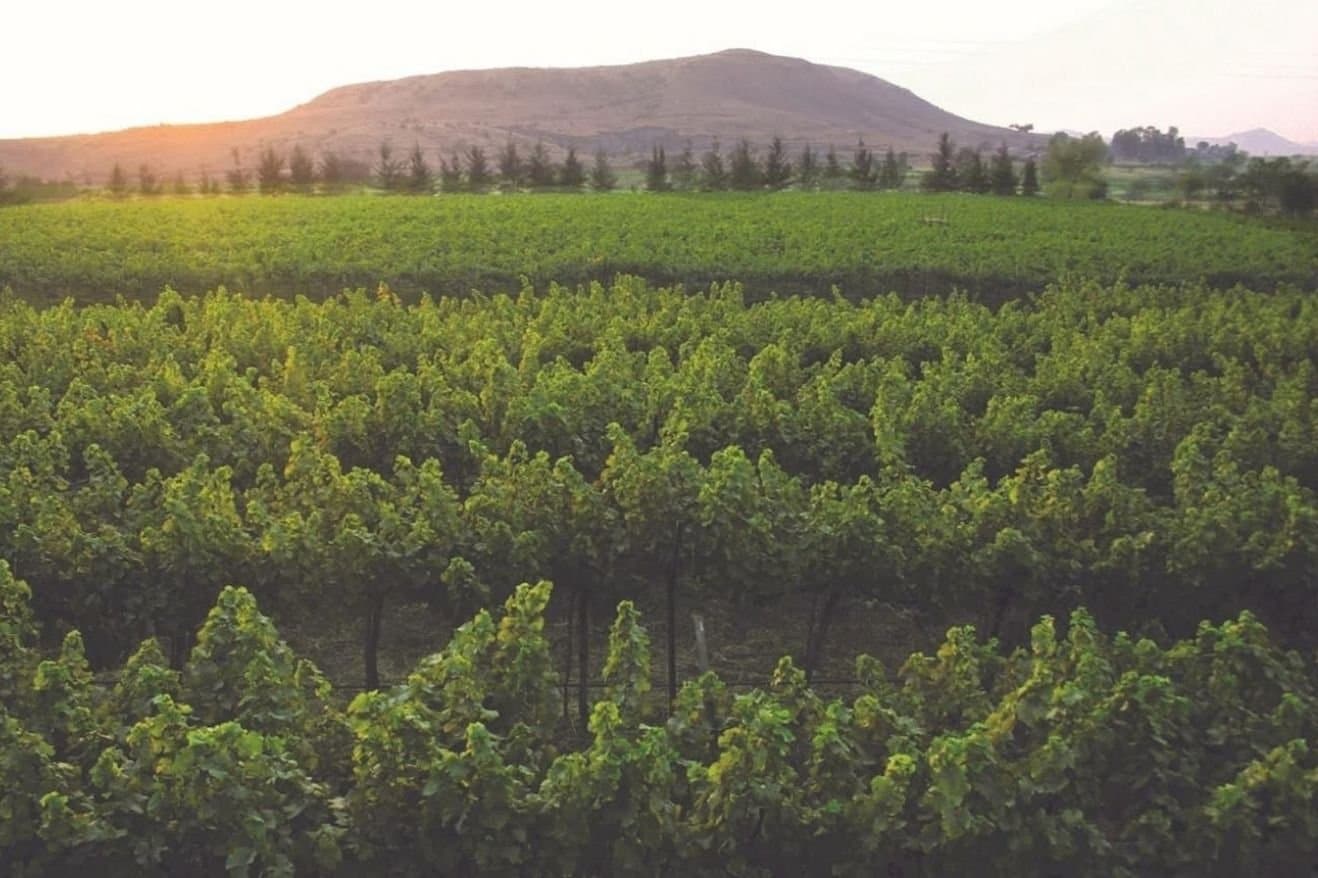
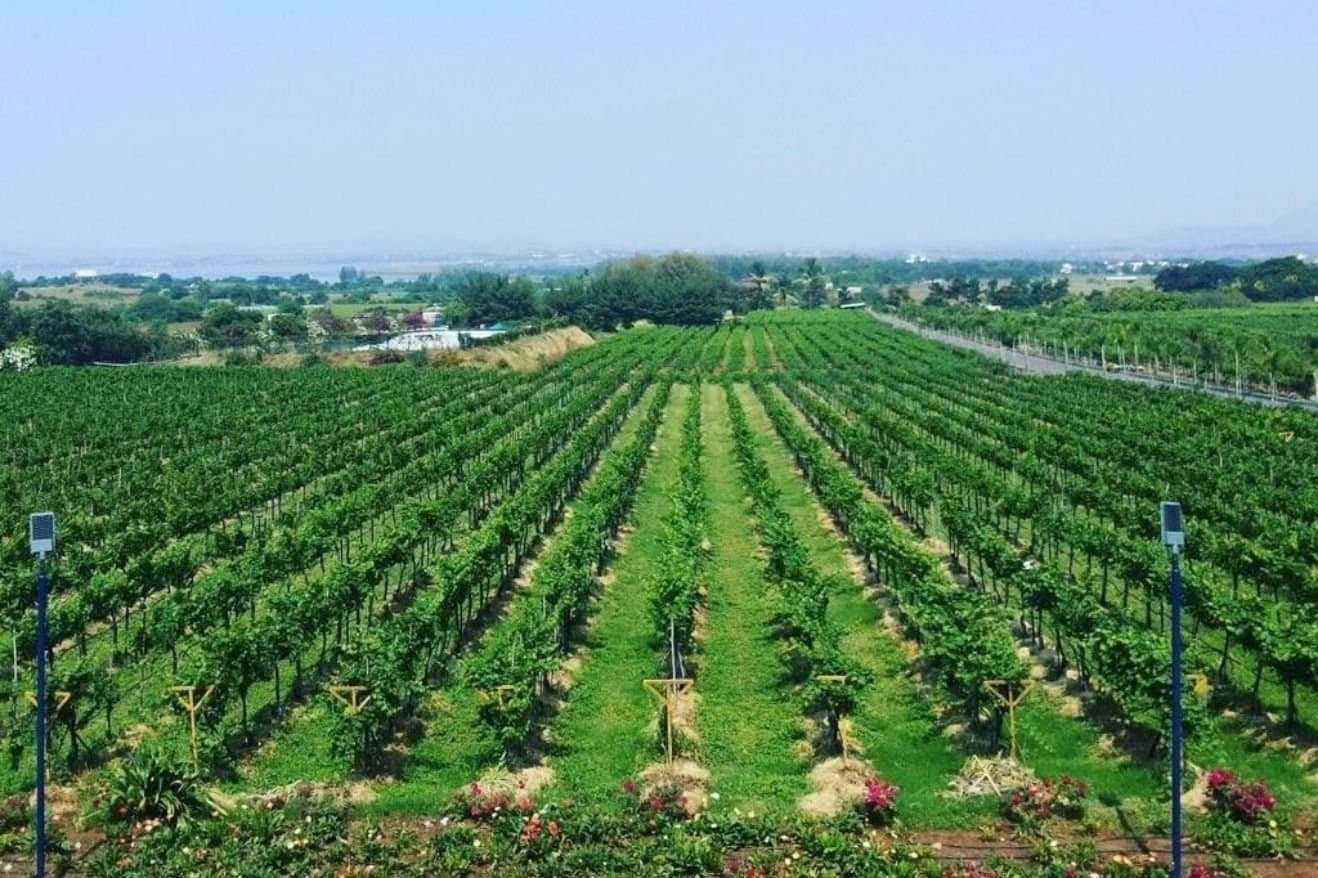
The surrounding countryside offers areas suitable for vineyard cultivation. Rows of grapevines, open landscapes and views of the nearby hills have also become part of Nashik’s appeal as a wine tourism destination.
Nashik’s relative proximity to Mumbai and Pune has helped make it accessible to visitors interested in weekend trips and winery experiences.
Together, these factors have supported Nashik’s reputation as a destination where agriculture, wine production, and tourism come together.
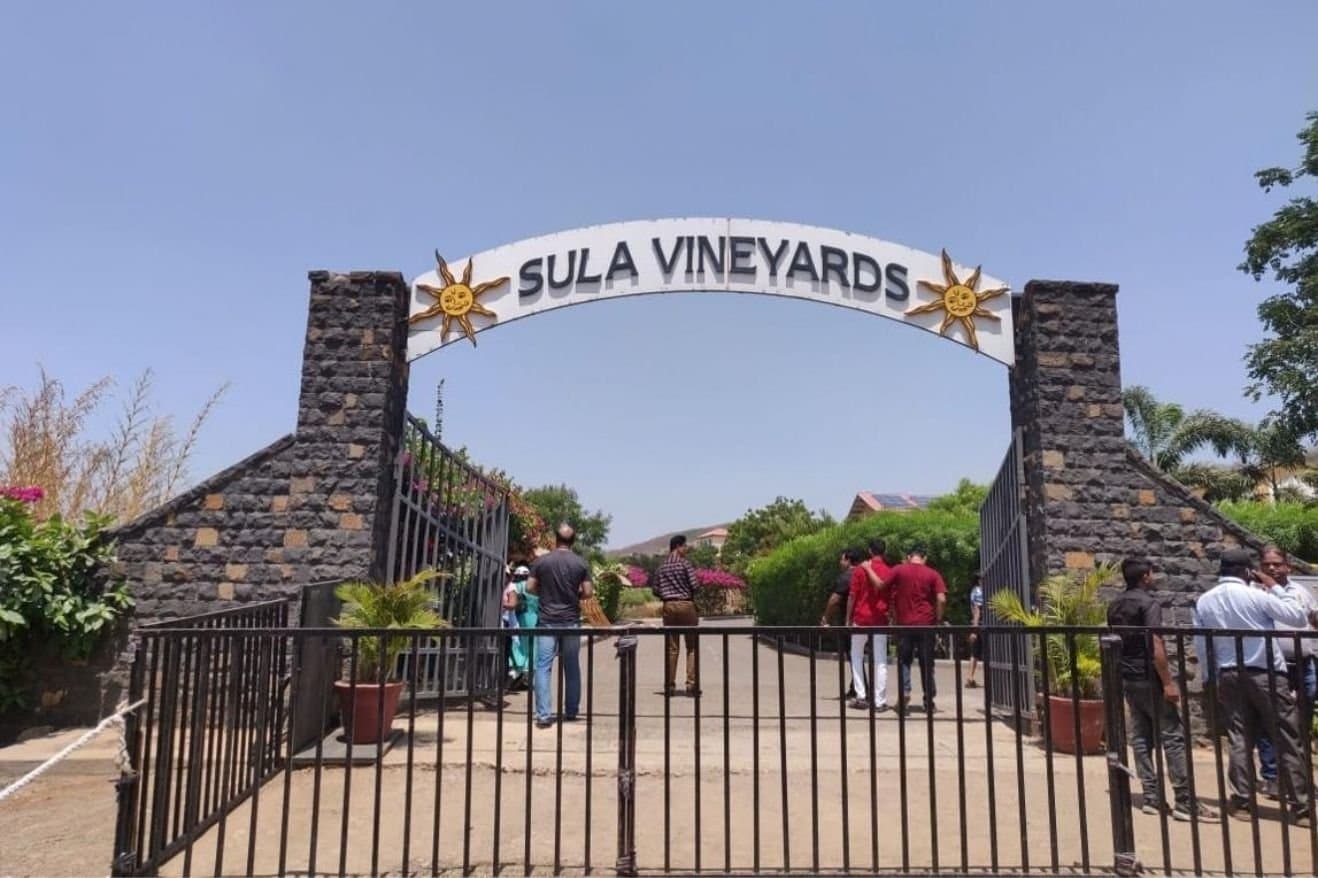
Sula Wines was founded in 1999 by Rajeev Samant, an entrepreneur who saw potential in developing wine production in India.
At the time, wine was not as widely established in the Indian consumer market as it is today. The idea of producing quality wine domestically offered an opportunity to develop a new category for consumers while building on Nashik’s grape-growing capabilities.
Sula’s early development helped demonstrate how the region’s agricultural resources could support commercial winemaking.
The company invested in vineyard development, wine production and consumer awareness. It also contributed to introducing Indian consumers to different wine styles and grape varieties.
As the business expanded, Sula became closely associated with Nashik itself. The company’s name increasingly appeared in conversations about Indian wine, helping bring attention to the region’s vineyards and winemaking potential.
Sula’s growth was therefore part of a broader change: Nashik was no longer seen only as an agricultural area but also as a place where Indian wine could be produced and experienced.
Before the growth of modern Indian wineries, wine was a relatively unfamiliar choice for many consumers. Sula helped introduce a wider audience to domestically produced wine and made wine tasting a more accessible experience.
Its contribution extended beyond producing bottles for restaurants and retail outlets. The company also helped introduce consumers to grape varieties and wine styles that were not commonly associated with Indian agriculture.
According to Sula’s company history, it produced Sauvignon Blanc and Chenin Blanc in its early years, followed by Zinfandel. These milestones helped broaden the range of wines being produced in India.
Sula also helped make wine part of social occasions, dining experiences and travel. As consumers became more familiar with wine, Nashik gained greater visibility as a place connected with its production.
This relationship between wine and lifestyle helped create a new identity for the region, attracting attention from wine enthusiasts, travellers and people curious about Indian-made wines.

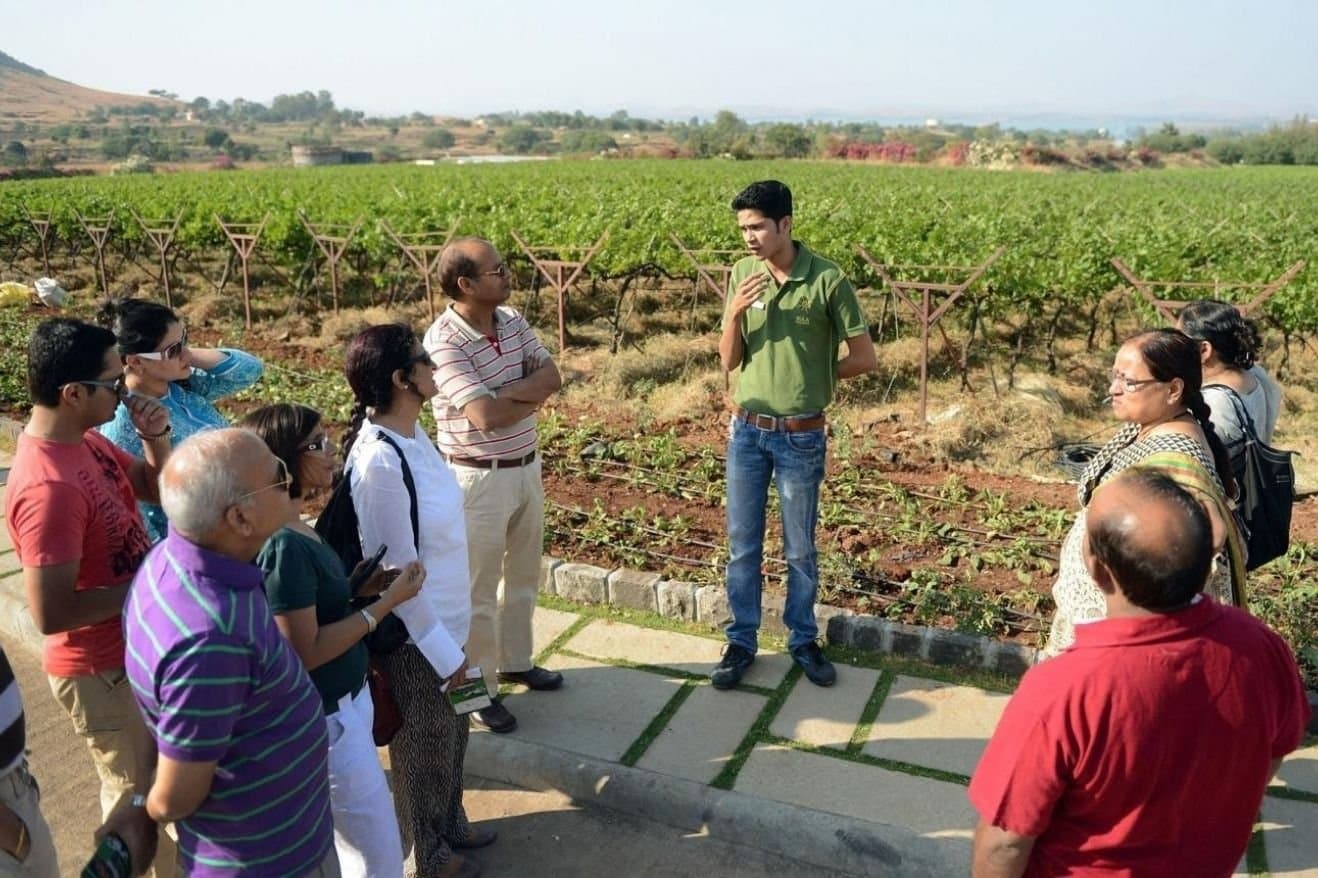

One of the most important developments in Nashik’s wine story has been the growth of wine tourism.
Sula opened a winery tasting room in 2005, giving visitors an opportunity to experience wine in the place where it was produced. This helped make winery visits a recognisable part of Indian leisure travel.
Instead of simply purchasing a bottle, visitors could learn about the vineyard, see aspects of the production process and experience wine tasting in a vineyard setting.
Wine tourism also encouraged visitors to spend more time in the region. Winery visits could become part of a weekend itinerary alongside local dining, accommodation and sightseeing.
Sula’s wine tourism business has since grown substantially. Its 2024–25 annual report records more than 380,000 visitor footfalls during 2024, illustrating the scale of interest in its vineyard experiences.
This has helped strengthen the association between Nashik and wine, making the region recognisable not just to wine drinkers but also to people interested in travel and hospitality.

Wine tourism in Nashik has also developed through events that bring together music, food and vineyard experiences.
Sula launched SulaFest in 2008, introducing a wine-themed music festival held at its vineyard. The event helped connect the winery with a wider audience, including visitors who might not otherwise plan a trip focused on wine.
The festival format brought together different elements of leisure and hospitality. Music, food and the vineyard environment became part of the experience, giving visitors another reason to associate Nashik with wine-related travel.
SulaFest also reflects a broader shift in how wineries can engage with consumers. Wine can be introduced through experiences and events, rather than relying only on retail sales or restaurant menus.
As a result, Sula’s identity has extended beyond winemaking into tourism, hospitality and entertainment.
Sula’s growth coincided with a wider expansion of India’s domestic wine industry.
Its early investment in wine production helped demonstrate that Indian vineyards could produce wines using grape varieties associated with established wine-producing countries. The company’s development also encouraged greater attention to the potential of Indian-grown grapes.
Sula’s own history records several milestones, including the introduction of new wine styles, the opening of a tasting room and the expansion of its vineyard tourism activities.
The company’s visibility helped give Indian wine a recognisable identity in domestic markets. It also contributed to conversations about Indian wines in international settings.
However, Nashik’s wine industry is not made up of Sula alone. Other wineries and grape growers have also contributed to the region’s development. Sula’s prominence is one part of a wider story involving agricultural expertise, investment, production and consumer demand.
The association between Sula and Nashik is therefore both commercial and regional: the winery helped bring attention to the area’s winemaking potential, while Nashik’s grape-growing environment provided a foundation for the business.
Although Sula is one of the most recognisable names associated with Nashik, the region’s wine identity extends beyond a single company.
Local grape growers, agricultural workers, winemakers and other wineries have contributed to the development of the area’s wine industry. Their work supports the broader agricultural and commercial ecosystem that makes wine production possible.
The presence of multiple wineries also gives Nashik a wider identity as a wine-producing region rather than simply the home of one well-known brand.
For visitors, this means the area’s wine culture can include different vineyard settings, production approaches and tasting experiences.
For the industry, it highlights the importance of collaboration between grape growers and wine producers, alongside continued investment in vineyard management, production facilities and tourism.
Sula’s development helped draw attention to this wider potential, but the region’s continued association with wine depends on the contributions of many people and businesses.
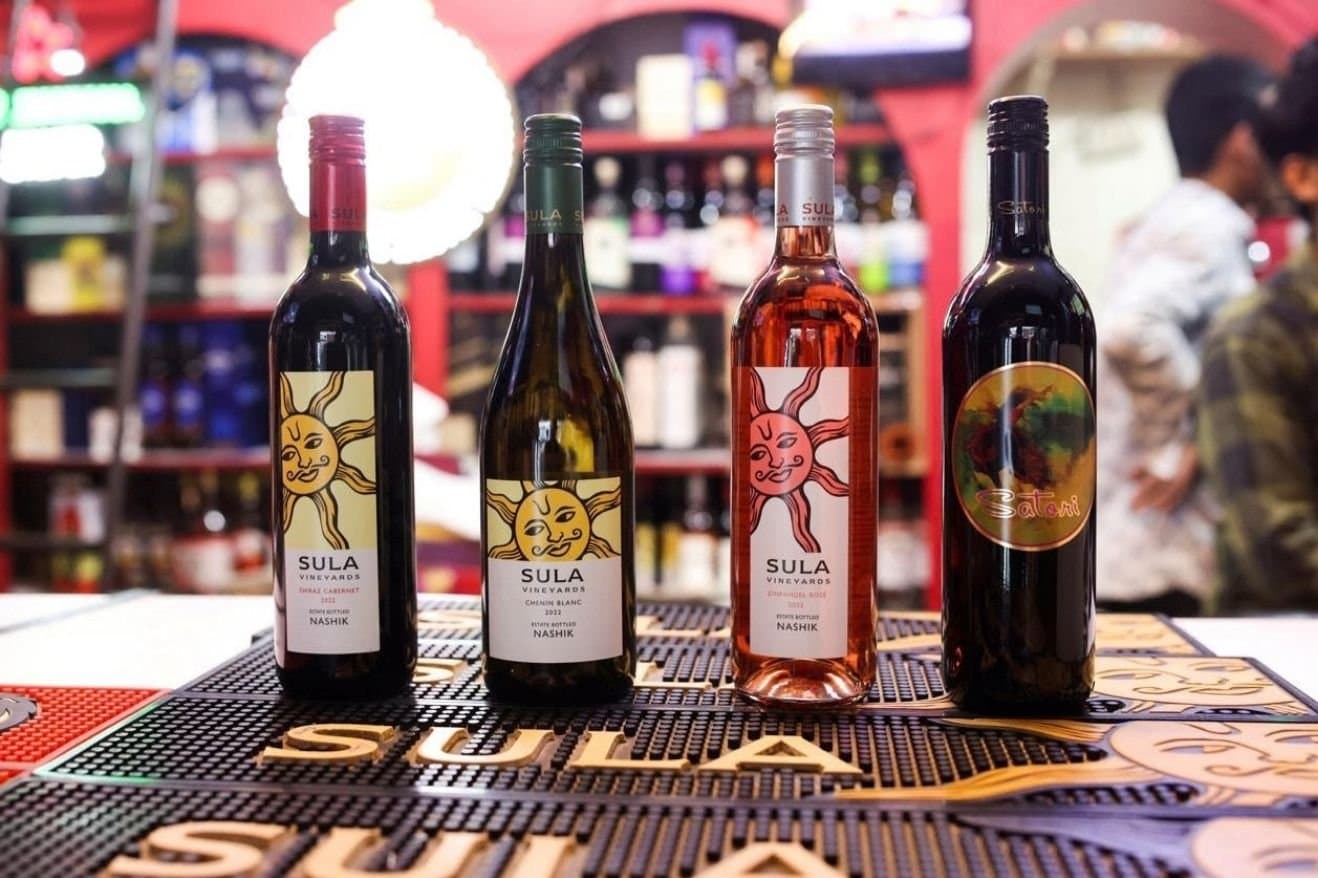
The Sula name has become closely connected with Indian wine through its production history, range of wines and vineyard experiences.
Its portfolio includes different styles, from white and red wines to rosé and sparkling options. This variety has helped introduce consumers to different ways of enjoying wine.
The company’s history also includes the launch of products such as Dia, which Sula describes as India’s first wine-in-a-can, reflecting its efforts to introduce different formats to the market.
Beyond its products, Sula is recognisable for its connection with Nashik’s vineyards. Its winery, tasting experiences, hospitality offerings and events have helped establish a strong link between the brand and the region.
For many consumers, the name Sula is therefore associated with two related ideas: Indian-made wine and the experience of visiting a vineyard in Nashik.
That connection has helped make both the brand and the region more familiar to people exploring Indian wine.
Nashik’s wine industry continues to be shaped by changing consumer interests, tourism, agricultural conditions and the development of domestic wine production.
Sula’s expansion into hospitality and wine tourism illustrates how wineries can create experiences alongside their core products. Its annual reporting also reflects the continuing importance of visitor experiences to the business.
At the same time, wine production remains connected to agriculture. Vineyard management, grape quality, weather conditions and seasonal harvesting all influence the work involved in producing wine.
For Nashik, maintaining its identity as a wine destination involves more than attracting visitors. The region’s future also depends on the people who grow grapes, produce wine and support the wider tourism economy.
As interest in Indian wine develops, Nashik’s established connection with Sula gives consumers a familiar starting point for learning about the country’s winemaking story.
The association between Sula wine and Nashik is the result of decades of agricultural development, entrepreneurial vision, winemaking and wine tourism.
Nashik already had a strong grape-growing background, but the arrival of Sula helped demonstrate the potential for producing wine in the region. Its early wines, winery tasting room, vineyard hospitality and SulaFest helped introduce more people to Indian wine and encouraged visitors to experience Nashik beyond its traditional attractions.
Today, Sula represents an important part of the region’s wine identity, while local growers and other wineries contribute to the wider industry.
For anyone curious about Indian wine, the story of Sula and Nashik offers an interesting look at how a regional agricultural strength developed into a recognised wine destination.
At OnlineAlcohol.in , you can continue exploring wine-related articles, beverage histories and information about popular wine brands. Whether you’re interested in the origins of Sula wine, the development of Indian winemaking or the regions behind well-known wine labels, understanding their stories adds another dimension to appreciating wine culture.