Alcohol & Indian Food: What Goes Well and What Doesn’t
Indian cuisine is a celebration of bold spices, layered flavours, and diverse regional traditions.
Pairing alcohol with such complexity can elevate your dining experience or completely overpower it if done wrong.
Whether you’re hosting a dinner party or simply exploring new taste combinations, understanding what works (and what doesn’t) can make all the difference.
In this blog, Online Alcohol explains everything that goes well with alcohol and what doesn’t.
Understanding Indian Flavours First
Before pairing alcohol, it’s important to recognise what makes Indian food unique:
Spice intensity (not just heat, but depth)
Rich gravies with butter, cream, or ghee
Tangy elements like tamarind or yogurt
Herbal notes from coriander, mint, and curry leaves
Because of this complexity, alcohol pairing isn’t as straightforward as “red with meat, white with fish.” You need to balance spice, richness, and aroma.
What Goes Well with Indian Food
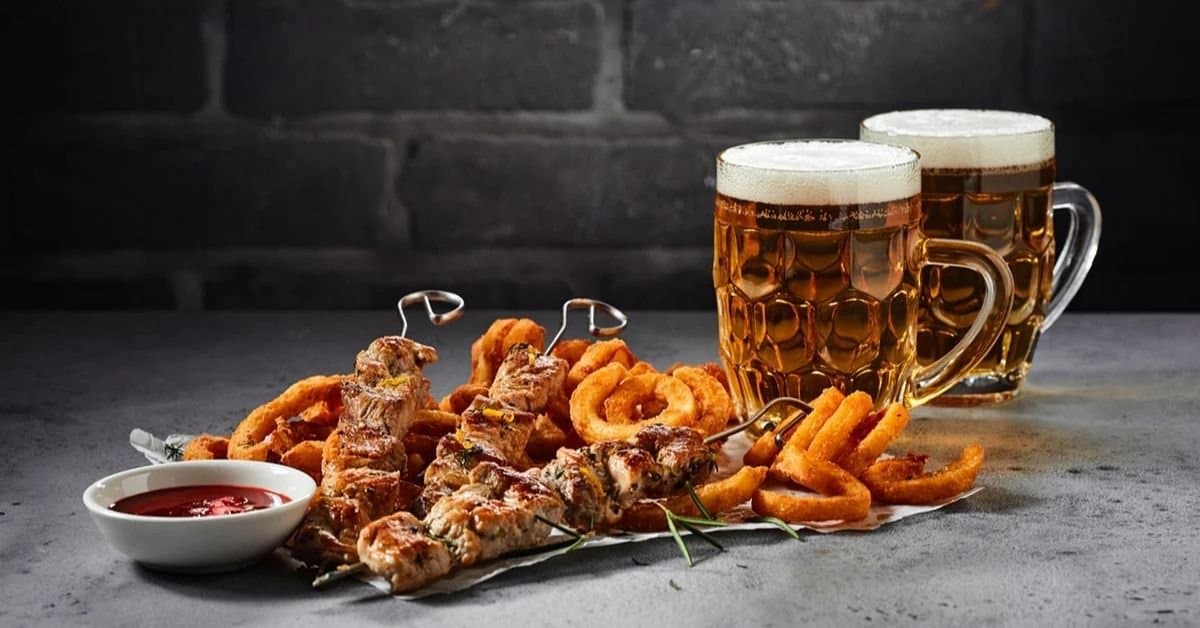
1. Beer: The Safe and Refreshing Choice
Why it works:
Cools down spicy dishes
Light carbonation cleanses the palate
Doesn’t overpower flavours
Best pairings:
Butter chicken → Lager or wheat beer
Spicy biryani → Pale ale
Tandoori dishes → Light pilsner
Pro tip: Avoid overly bitter beers (like strong IPAs) with very spicy food, asd they can amplify the heat.
2. White Wine: Light, Crisp & Balanced
White wines are excellent with Indian dishes that are mildly spiced or creamy.
Why it works:
Acidity cuts through richness
Slight sweetness balances spice
Best pairings:
Paneer tikka → Sauvignon Blanc
Chicken korma → Riesling (slightly sweet)
Fish curry → Chardonnay
Pro tip: Go for off-dry (slightly sweet) wines if the dish has chilli heat.
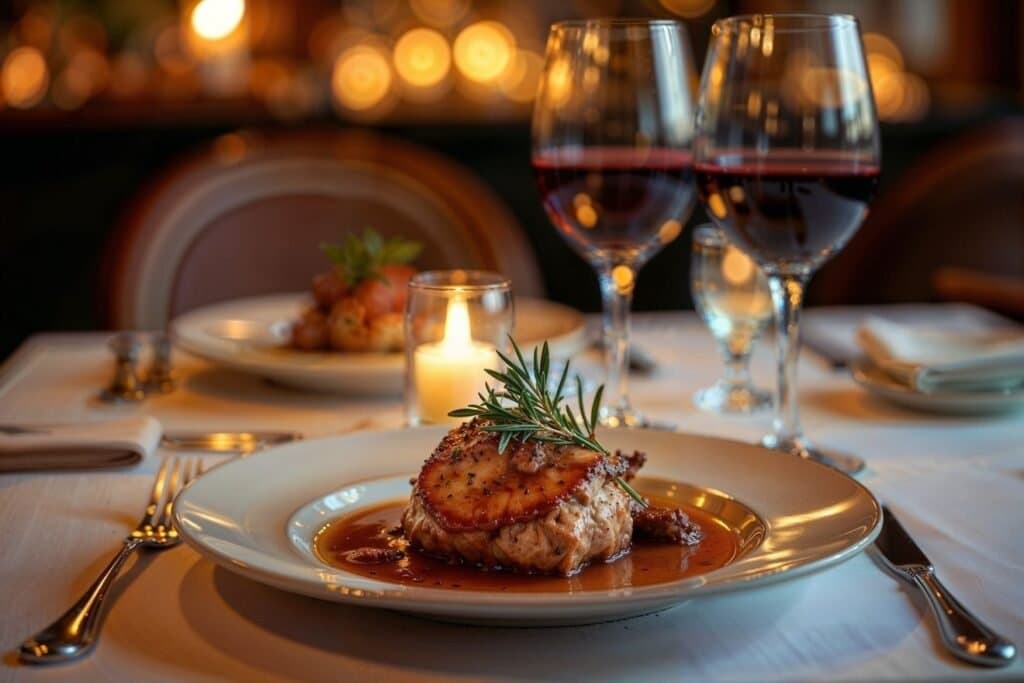
3. Red Wine: Choose Carefully
Red wine can be tricky with Indian food, but it’s not impossible.
Why it works (when chosen right):
Complements smoky, grilled flavors
Enhances richness in meat dishes
Best pairings:
Lamb rogan josh → Pinot Noir
Seekh kebab → Shiraz
Dal makhani → Merlot
What to avoid: Heavy tannic wines (like Cabernet Sauvignon) with spicy food, they clash badly.
4. Spirits & Cocktails: Flavour Meets Creativity
Spirits can work beautifully if mixed thoughtfully.
Best pairings:
Gin & tonic → Works with herb-based dishes (mint chutney, coriander flavours)
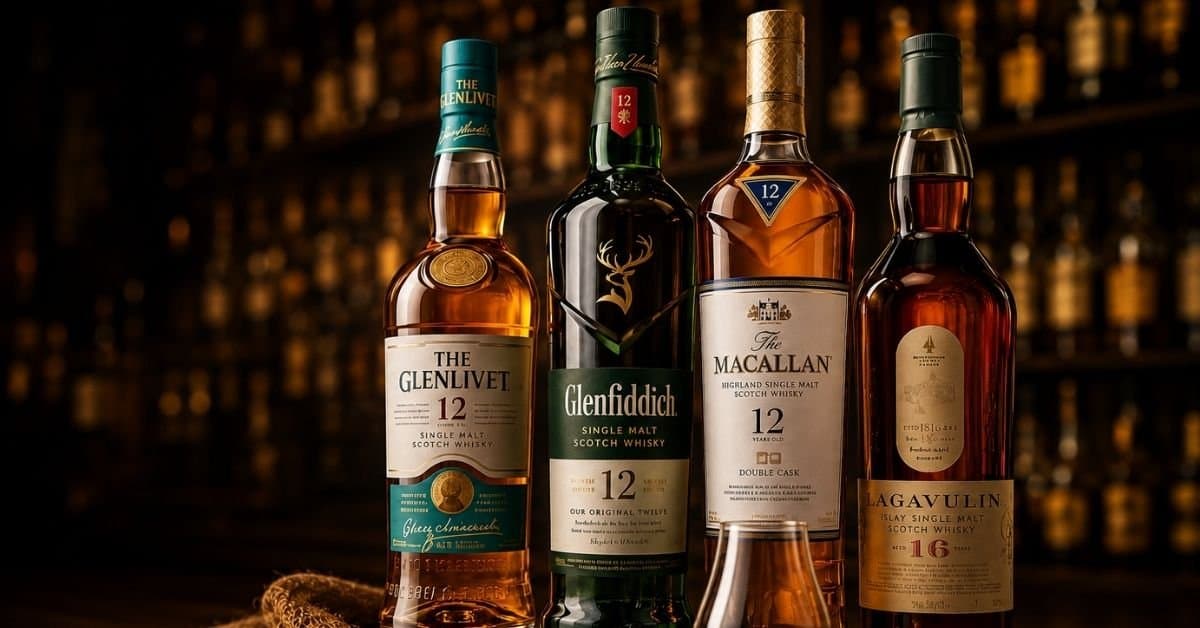
Whiskey → Pairs well with smoky tandoori items
Vodka-based cocktails → Neutral enough for spicy starters
Creative cocktails:
Mango mojito with spicy snacks
Masala-infused whiskey with kebabs
Tamarind margarita with chaat
5. Sparkling Wines: Underrated but Excellent
Sparkling wines (like Prosecco or Champagne-style drinks) are surprisingly great.
Why it works:
Bubbles cleanse the palate
Light and refreshing against spice
Best pairings:
Fried snacks (samosa, pakora)
Street food (chaat)
Spicy appetizers
What Doesn’t Work Well
Now, let’s talk about combinations you should avoid.
1. Strong Tannic Red Wines + Spicy Food
This is one of the most common mistakes.
Why it fails:
Tannins + chilli heat = bitterness and discomfort
Overpowers delicate spices
Avoid pairing:
Spicy curry with Cabernet Sauvignon
Vindaloo with heavy red wine
2. High-Alcohol Drinks with Very Spicy Dishes
Alcohol intensifies the burning sensation of chili.
What happens:
Heat feels stronger
You lose the actual flavor of the dish
Avoid:
Neat whiskey with extra spicy curries
Strong cocktails with chilli-heavy food
3. Sweet Cocktails with Rich Curries
Too much richness + sweetness = overwhelming.
Why doesn’t it work?
Clashes with savoury spices
Makes dishes feel heavier
Avoid pairing:
Creamy butter chicken with sugary cocktails
Korma with overly sweet drinks
4. Bitter Drinks with Tangy Foods
Bitterness and sourness don’t complement each other well.
Avoid:
Bitter beer with tamarind-based dishes
Strong aperitifs with chaat
Regional Pairing Insights
Indian cuisine varies widely by region, so pairing should too.
North Indian Cuisine
Rich, creamy, buttery
Best with: white wine, light red wine, whiskey
South Indian Cuisine
Tangy, spicy, coconut-based
Best with: beer, sparkling wine, light cocktails
Street Food
Spicy, tangy, crunchy
Best with: beer, sparkling drinks
Coastal Cuisine
Seafood-focused, coconut, mild spice
Best with: white wine, gin-based drinks
Spice Level Matters More Than You Think
One key rule: The spicier the food, the lighter and cooler the drink should be.
Mild spice → More flexibility (wine, cocktails)
Medium spice → Beer or off-dry wine
High spice → Light beer or sparkling drinks
Smart Pairing Tips (Easy to Remember)
Balance heat with sweetness or coolness
Match intensity (don’t overpower the dish)
Use acidity to cut richness
Avoid extreme contrasts (like bitter + spicy)
Final Thoughts
Pairing alcohol with Indian food isn’t about strict rules—it’s about balance and experimentation.
The richness, spice, and diversity of Indian cuisine actually give you more room to explore than many other food cultures. Remember…Let the food shine, and choose drinks that complement, not compete.
Start simple with beer or a light white wine, then gradually experiment with cocktails and reds as you understand your taste preferences better.